1
View our Bible study catalog
2
Sign up for free with only your name and email
3
Find answers and peace as you begin to understand God’s plan for your life
Yes, these steps look easy. Easy enough to set aside for “later.” Easy enough to think that maybe they're not so important, or not so special. But that would be a mistake.
The Bible tells the story of Naaman, the commander of the Syrian army. He contracted leprosy which was incurable and terminal. One of his slaves, an Israelite, suggested that he go to Samaria, where the prophet Elisha would be able to heal him. Elisha told Naaman to go wash himself in the river Jordan, and to immerse himself seven times if he wanted to be healed. Naaman was insulted. That river was muddy and it was unacceptable for a high official to bath in it.
Yes, the instructions to dunk himself in the Jordan were simple, but what did he have to lose?
He was about to leave in a rage when one of his soldiers pointed out that if Elisha had asked him to do something great and difficult, he would have followed instructions without question. Yes, the instructions to dunk himself in the Jordan were simple, but what did he have to lose? Naaman accepted the counsel, followed Elisha's instructions and was healed. (2 Kings 5:1-15) Just like Naaman, you are free to choose your course of action. You can continue struggling with your troubles, drifting through life without meaning or purpose, and missing out on a journey that will bring you eternal life. Or, you can follow the simple steps on this page. The choice is yours.
If you are looking for something better, if you're looking for a way out of your troubles, we can help.
The simple path we're offering will help you
- Find trustworthy answers
- Experience total peace of mind
- Live with purpose
- Find forgiveness
- See the world differently—understand why our lives are so full of trouble and at the same time, learn why there is hope.
- Learn the end of the story, and find freedom, healing and hope in Jesus
Stories of Transformation
See All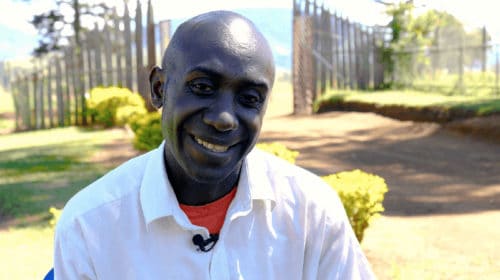
Corniel / From Devil Worship to God
Watch Video
"My plan for the future is to go back home to tell the young men… that there is a better way. There is a God who can change them as He changed me."
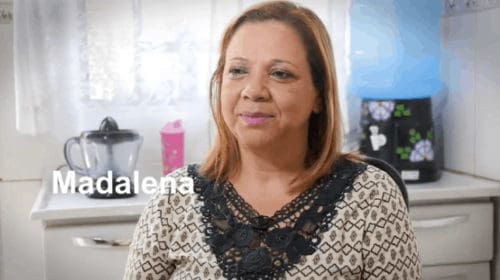
Magdalena / Joy to Live with Christ
Watch Video
"There is a Bible verse that is engraved in my heart, John 8:32, which says ‘Then you will know the truth and the truth shall set you free.’ It set me free from the fears of the world. It placed God’s love in my heart. A love that makes me grateful for everything that He has done for me and can also do for you. He can take away all the pain that you are suffering. He can transform your life."
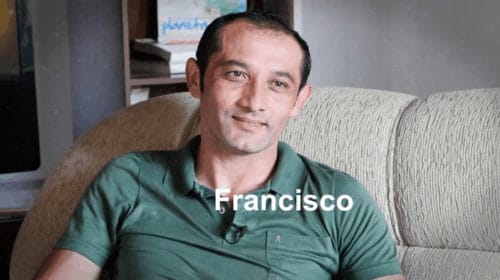
Francisco / The Transforming Power of Love
Watch Video
"There is not task of challenge too hard to God. Search God. Because I searched Him, a miracle took place in my life. "

Kevin and Anita / Remember the Sabbath Day
Watch Video
"Through my Bible studies with the Seventh-day Adventist Church and watching Hope Channel, I have now got an understanding and I believe that Jesus Christ is coming back soon. And I’m looking forward to the day He comes back."
Life is tough. We know that you want to be at peace and have hope for the future. In order to do that, you need trustworthy answers. The problem is, it's difficult to find your way through the maze of competing philosophies that always fail to clarify the Truth, which makes you feel confused and even helpless.
We believe evil should not prevail in keeping people from the Truth. We understand the challenges you face—we've faced them too. Which is why we have put a lot of effort into helping millions of people discover freedom, healing, and hope - all based on the word of the living God - the Bible. Here's how we do it:
Step 1
View our Bible study catalog
Step 2
Sign up for free with only your name and email
Step 3
Find answers and peace as you begin to understand God’s plan for your life
So check out the Bible Study Catalog. If you're in a hurry, download the free guide on how to study the Bible. And if you'd like to have us pray for you personally, send us a prayer request. You can stop drifting through life without answers. You don't have to miss out on the journey that can bring you everlasting life. You can find freedom, healing and hope in Jesus. He's waiting for you.
Start a Bible Study